
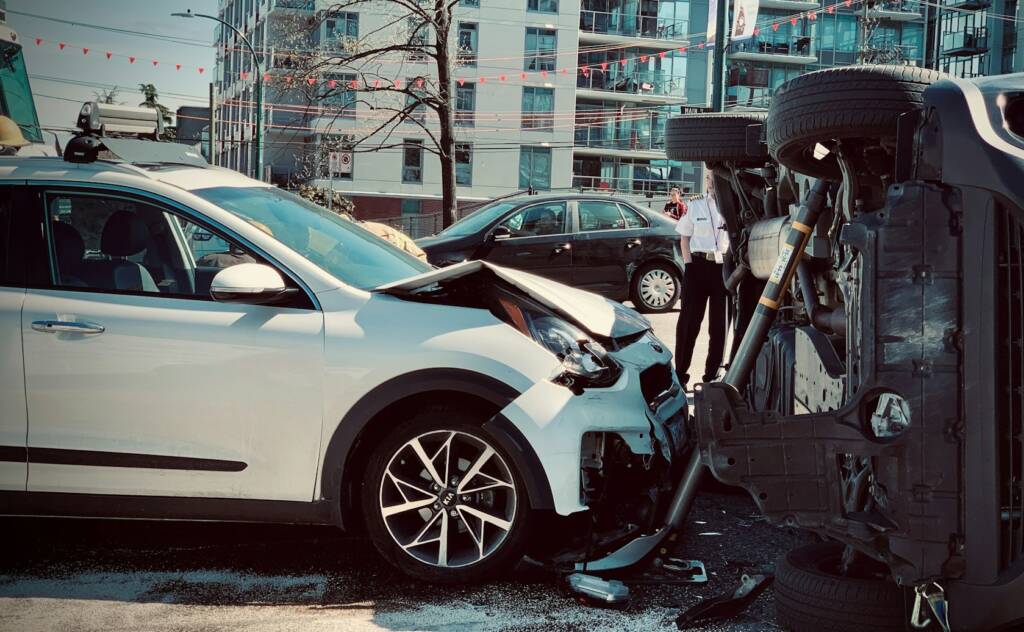
Car accidents are rarely straightforward. Even when you drive carefully, unexpected events, poor road conditions, or another driver’s behavior can lead to a collision. Many people wrongly believe that if they share some responsibility for an accident, they lose the right to compensation. The truth is more nuanced. In Northern Ireland, you can still pursue damages even if you were partly at fault, provided the other party also contributed to the incident. This is where a car accident solicitor Belfast becomes essential.
Partial fault cases are complex. They require a deep understanding of contributory negligence laws, insurance procedures, and how courts assess liability. A skilled solicitor helps you understand your rights, calculates fair compensation, and ensures the process remains fair and transparent from start to finish.
Understanding Shared Liability and Contributory Negligence
When multiple drivers share blame for an accident, it’s known as contributory negligence. This legal principle means that each party’s degree of fault determines how compensation is divided. For instance, if you were found 30% responsible for a collision and the other driver 70%, your final compensation would be reduced by 30%.
While this may sound straightforward, proving the correct percentage of fault is challenging. Insurance companies often attempt to exaggerate your share of responsibility to reduce their payout. A solicitor steps in to challenge these claims with factual evidence, witness statements, and professional analysis of the scene.
Common Scenarios Where Both Drivers Share Fault
Shared liability is common in many road traffic accidents. Some frequent examples include:
-
Rear-end collisions where both drivers were distracted or following too closely
-
Lane change accidents where neither party signaled properly
-
Junction or roundabout collisions involving misjudgment of right-of-way
-
Pedestrian or cyclist accidents where visibility or speed was an issue
-
Accidents caused by poor road conditions where both drivers failed to adjust their driving
Each case is unique. A solicitor reviews the entire context, including road design, weather, driver behavior, and vehicle conditions, to ensure that liability is accurately assessed.
Why Partial Fault Doesn’t Eliminate Your Right to Claim
Many accident victims hesitate to seek compensation because they assume partial responsibility disqualifies them. However, Northern Ireland’s personal injury law recognizes that accidents are rarely black and white. Even if you made an error, the other driver’s actions might have contributed more significantly.
Your solicitor’s role is to demonstrate how the other party’s negligence outweighs yours. They collect detailed evidence to support this, ensuring that your share of responsibility doesn’t overshadow the compensation you deserve for injuries, medical bills, and financial losses.
How Compensation Works in Partial Fault Cases
In contributory negligence claims, compensation is calculated proportionally to the level of fault. For example:
-
If your total damages are valued at £50,000 and you are 20% at fault, you will receive £40,000.
-
If both drivers share equal blame (50/50), you still recover half of the total compensation amount.
This system ensures fairness but also makes legal representation critical. Insurers often aim to increase your fault percentage, which can drastically reduce your payout. A solicitor safeguards against these tactics by presenting strong legal arguments supported by evidence.
The Role of a Car Accident Solicitor in Shared Fault Cases
When liability is disputed, a solicitor’s work becomes even more crucial. Their responsibilities include:
-
Gathering witness statements and verifying their consistency
-
Reviewing police and accident reports for discrepancies
-
Obtaining CCTV, dashcam, or roadside camera footage
-
Consulting traffic reconstruction experts to recreate events
-
Negotiating directly with insurers to establish fair fault distribution
These steps ensure that your version of events is properly represented and that blame is not unfairly shifted onto you.
At this point, guidance from Lacey Solicitors can be invaluable. Their experience with Belfast’s road laws and personal injury claims helps ensure every case is approached with professionalism and precision.
Proving Negligence in Complex Claims
To prove negligence, your solicitor must establish three main factors:
-
Duty of care: The other driver owed you a responsibility to act safely.
-
Breach of duty: They failed to meet that standard through careless or unlawful actions.
-
Causation: Their breach directly led to your injuries or damages.
Even if you contributed to the accident, demonstrating that the other party’s actions were the main cause of harm strengthens your case.
The Importance of Early Legal Intervention
Acting quickly after an accident is essential, especially in shared liability cases. Early legal support helps preserve evidence, such as vehicle damage, skid marks, or surveillance footage, which might otherwise be lost. Delaying could allow insurers to control the narrative before you’ve had the chance to present your side.
By involving a solicitor immediately, you ensure that the evidence is handled professionally, witnesses are contacted promptly, and all official statements remain consistent with your claim.
How Insurers Handle Shared Fault Accidents
Insurance companies often use comparative analysis to decide fault. However, their conclusions are not always impartial. They might rely on limited evidence or push for a higher fault percentage on your side to reduce costs.
Your solicitor challenges these assessments, often by commissioning independent investigations or accident reconstructions. They also review policy terms carefully to ensure that insurers meet their legal and contractual obligations toward you.
Claiming for Injuries and Losses
Even if partially at fault, you can still recover compensation for:
-
Medical treatment and rehabilitation
-
Lost income during recovery
-
Long-term physical limitations
-
Pain and suffering
-
Vehicle repairs or replacement
-
Emotional trauma and anxiety
A solicitor ensures that every aspect of your loss is documented and included in your claim. This approach prevents you from accepting a settlement that only covers short-term expenses.
Mistakes to Avoid in Shared Fault Cases
Accident victims often make avoidable errors that weaken their position. Some of these include:
-
Admitting fault at the scene or during insurance calls
-
Failing to seek medical attention immediately
-
Posting about the incident on social media
-
Ignoring communication from insurers or legal representatives
-
Accepting the first settlement offer without review
Following professional advice helps you stay compliant with legal requirements and prevents missteps that insurers could exploit later.
Preparing for a Potential Court Case
While many cases are resolved through negotiation, some proceed to court if liability disputes persist. Your solicitor prepares by gathering robust evidence, consulting expert witnesses, and preparing detailed submissions that demonstrate fairness in fault allocation. Courts in Northern Ireland often appreciate well-prepared documentation and clear argumentation supported by factual proof.
Psychological and Financial Effects of Partial Fault
Being partly blamed for an accident can feel discouraging, especially when you’re injured or facing financial strain. A solicitor not only helps you recover compensation but also provides peace of mind. They ensure that blame is distributed fairly, protecting your reputation and your right to justice.
FAQ
Q1: Can I still claim if the police report says I was partly responsible?
A: Yes. A police report is only one piece of evidence. Your solicitor can provide additional proof that may shift or balance fault.
Q2: How do solicitors calculate shared responsibility?
A: They analyze all available evidence, including statements, video footage, and road conditions, to estimate a fair percentage of liability.
Q3: Will claiming affect my insurance premium?
A: It may, depending on your policy and degree of fault. However, your solicitor can help minimize the long-term financial impact.
Q4: What happens if both drivers are 50% responsible?
A: You will still receive half of your total eligible compensation amount. This ensures partial justice, even when fault is evenly shared.
Q5: Is it worth hiring a solicitor for minor accidents?
A: Yes, especially if injuries or financial losses appear later. A solicitor ensures that your claim remains valid even if complications arise afterward.
Being partly at fault doesn’t mean you lose your right to compensation. With the right legal representation, you can still achieve a fair outcome that reflects your experience, losses, and recovery needs. For trusted legal assistance in Northern Ireland, reach out to Lacey Solicitors.
 Justices Law Blog